GLOCON 2026 Celebrates the Bangkok Declaration and Sets Its Sight on Bogotá 2028
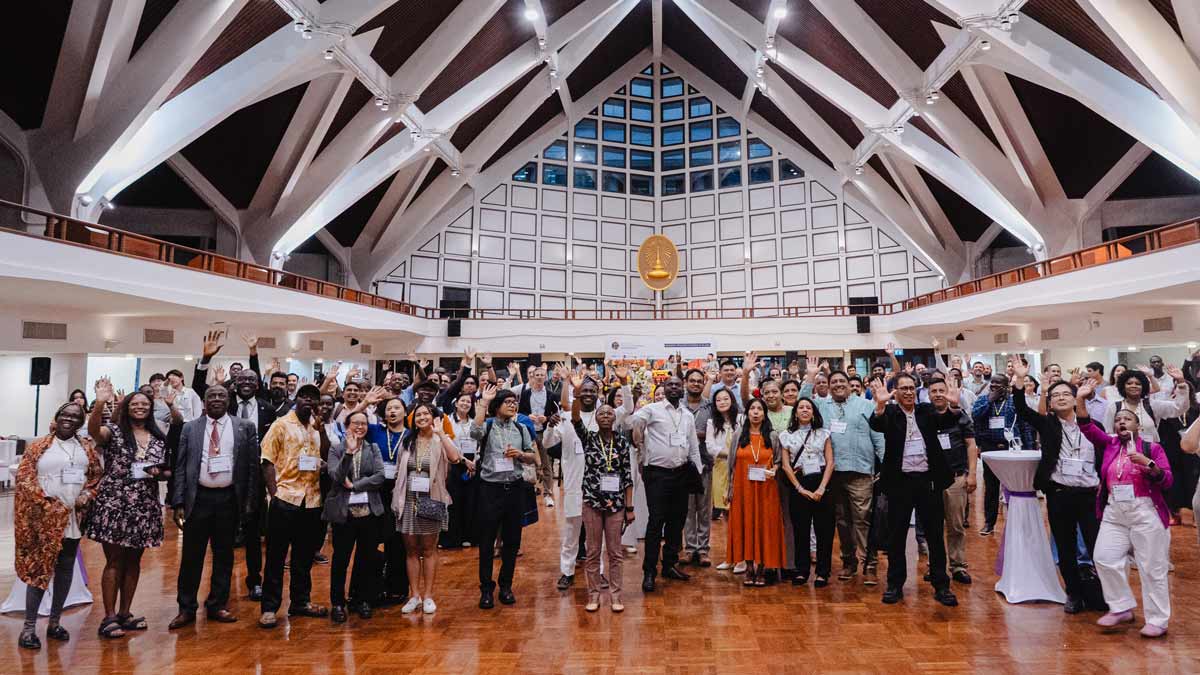
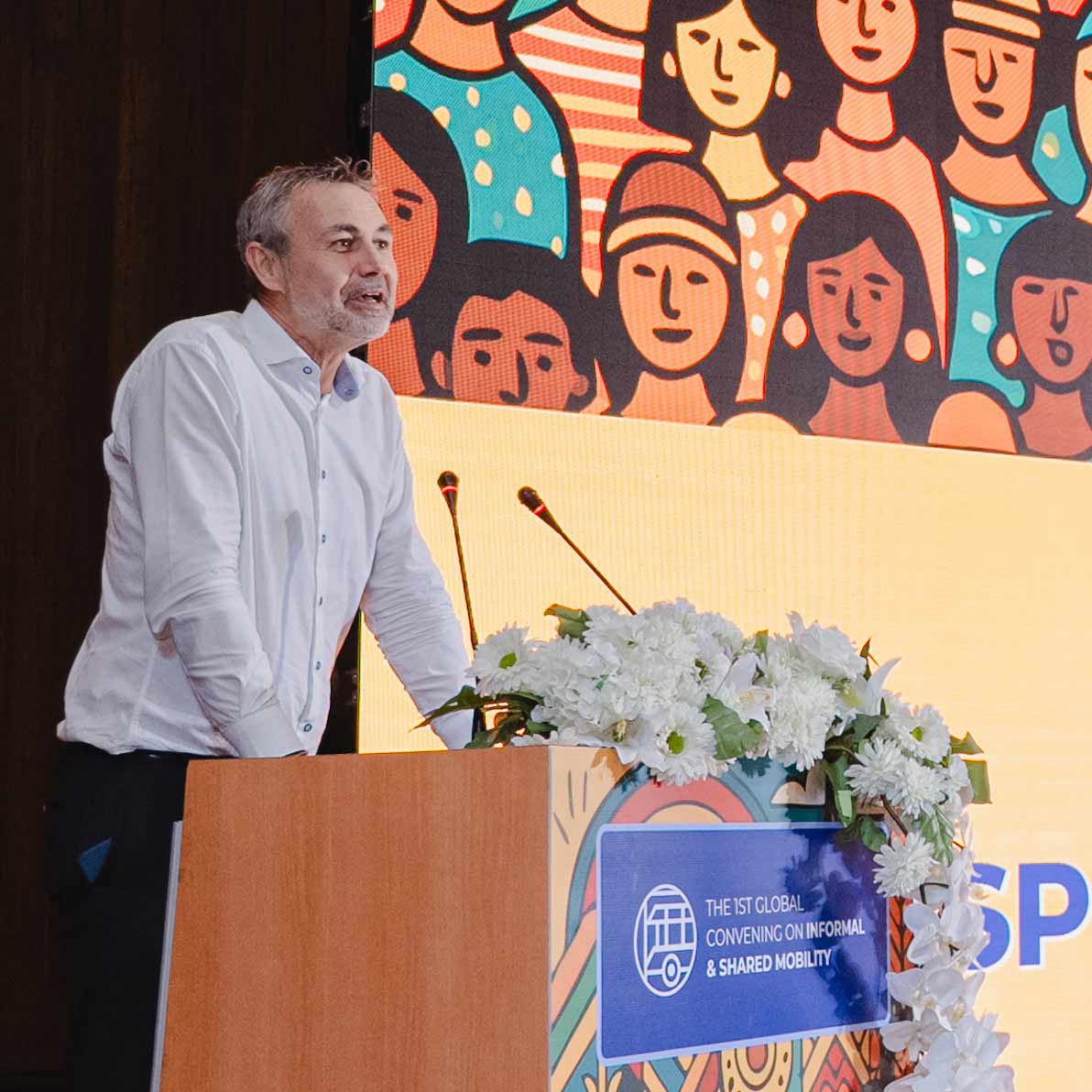
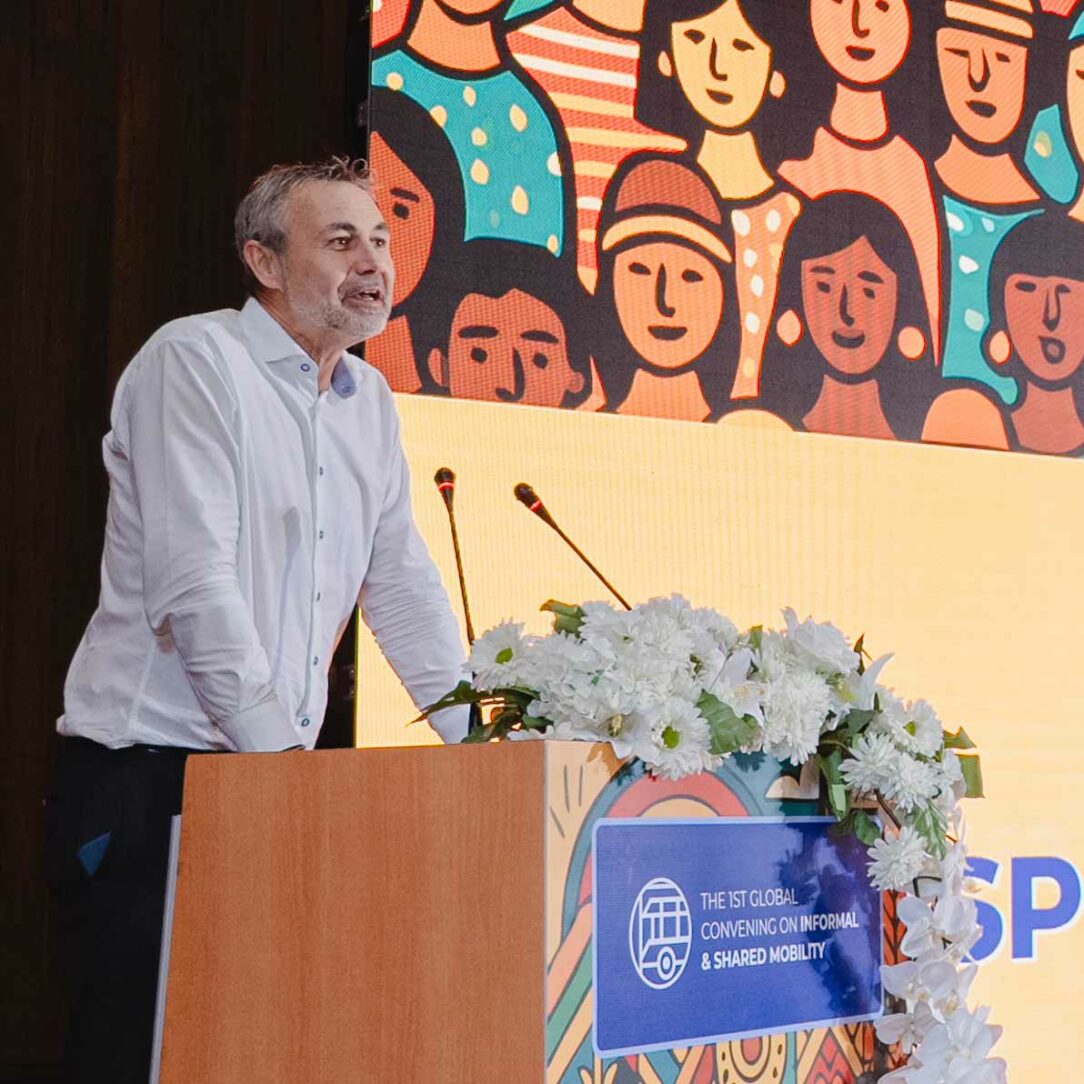
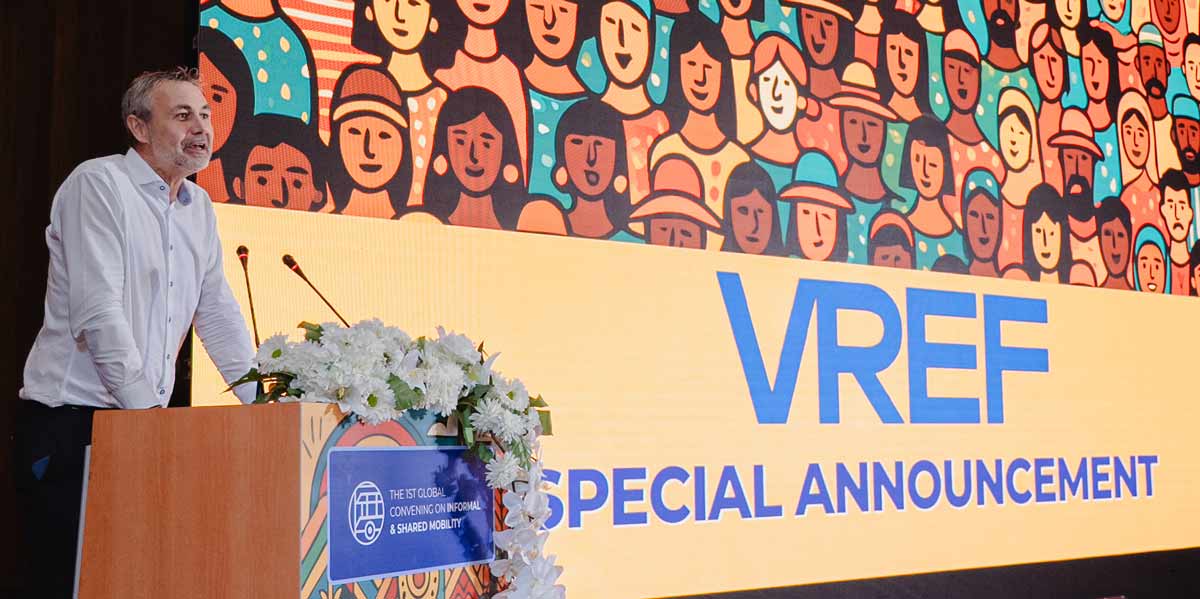
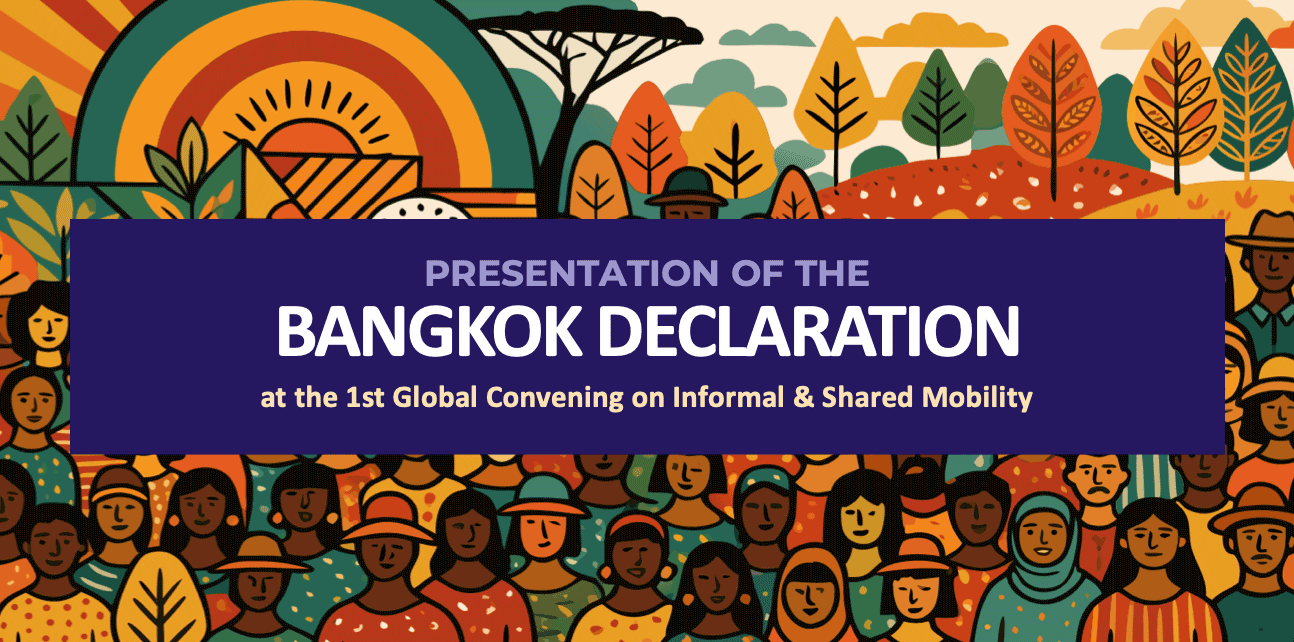
GLOCON 2026 has come to a close in Bangkok, leaving a lasting sense of shared momentum and collective pride across the global mobility community. Bringing together lived realities and technical expertise from around the world, the gathering culminated in the adoption of the Bangkok Declaration on Informal and Shared Mobility 2026 – establishing a shared global agenda and roadmap for the sector.
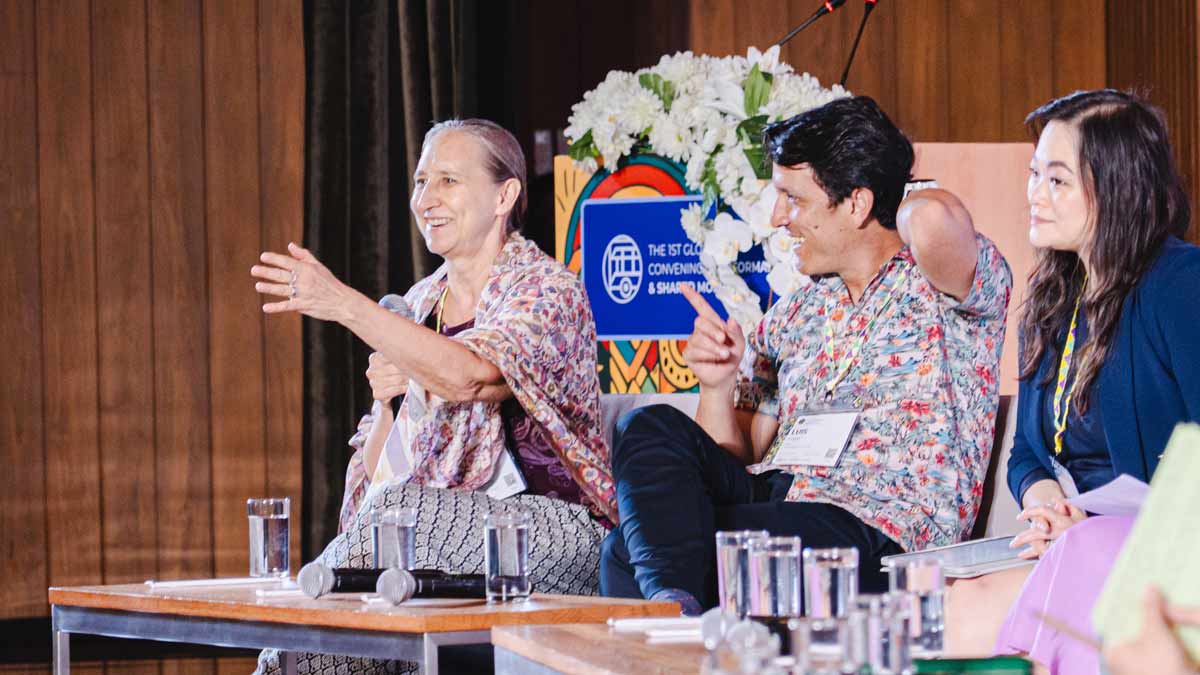
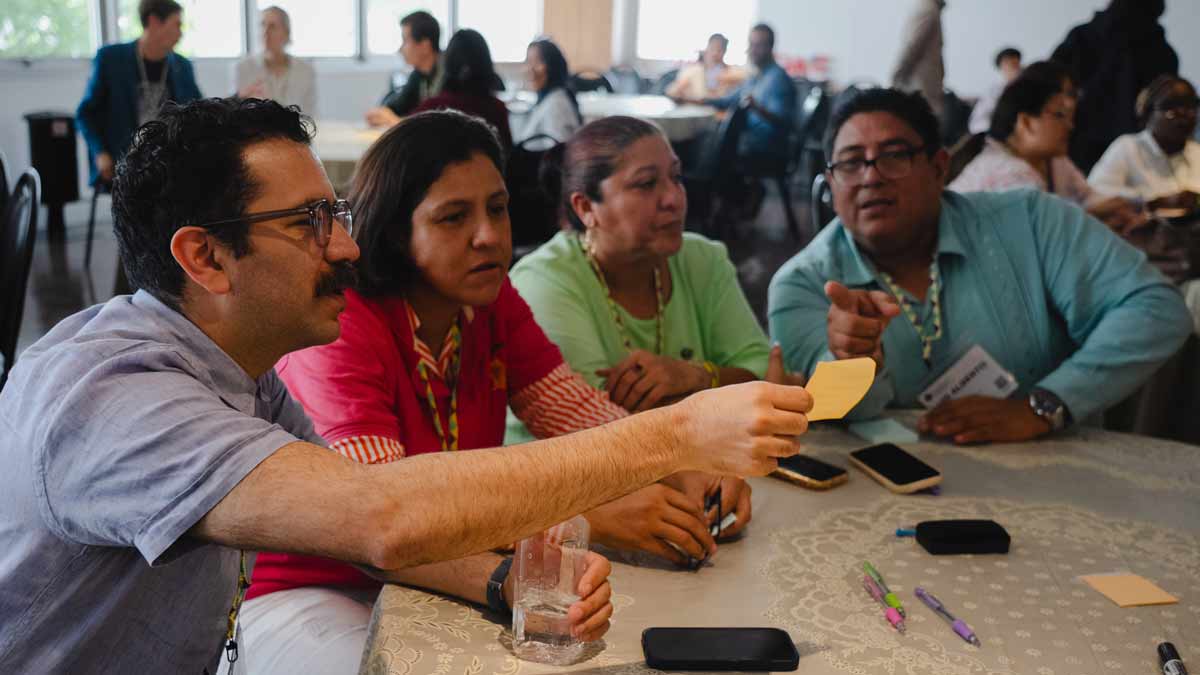
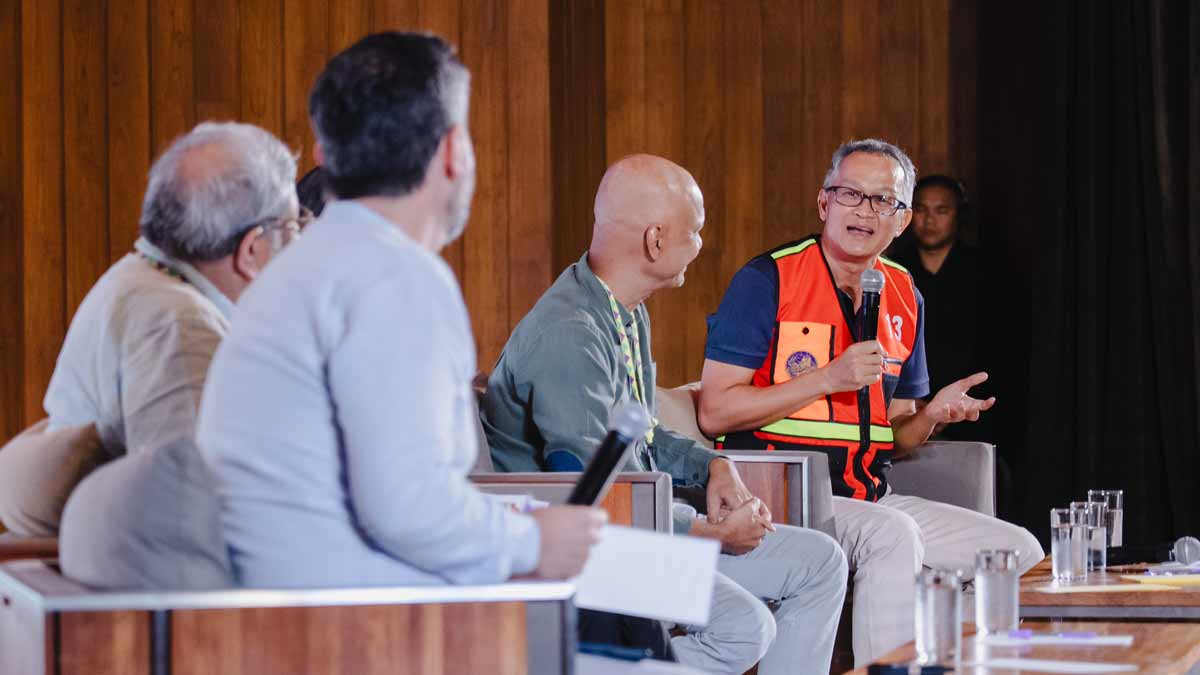
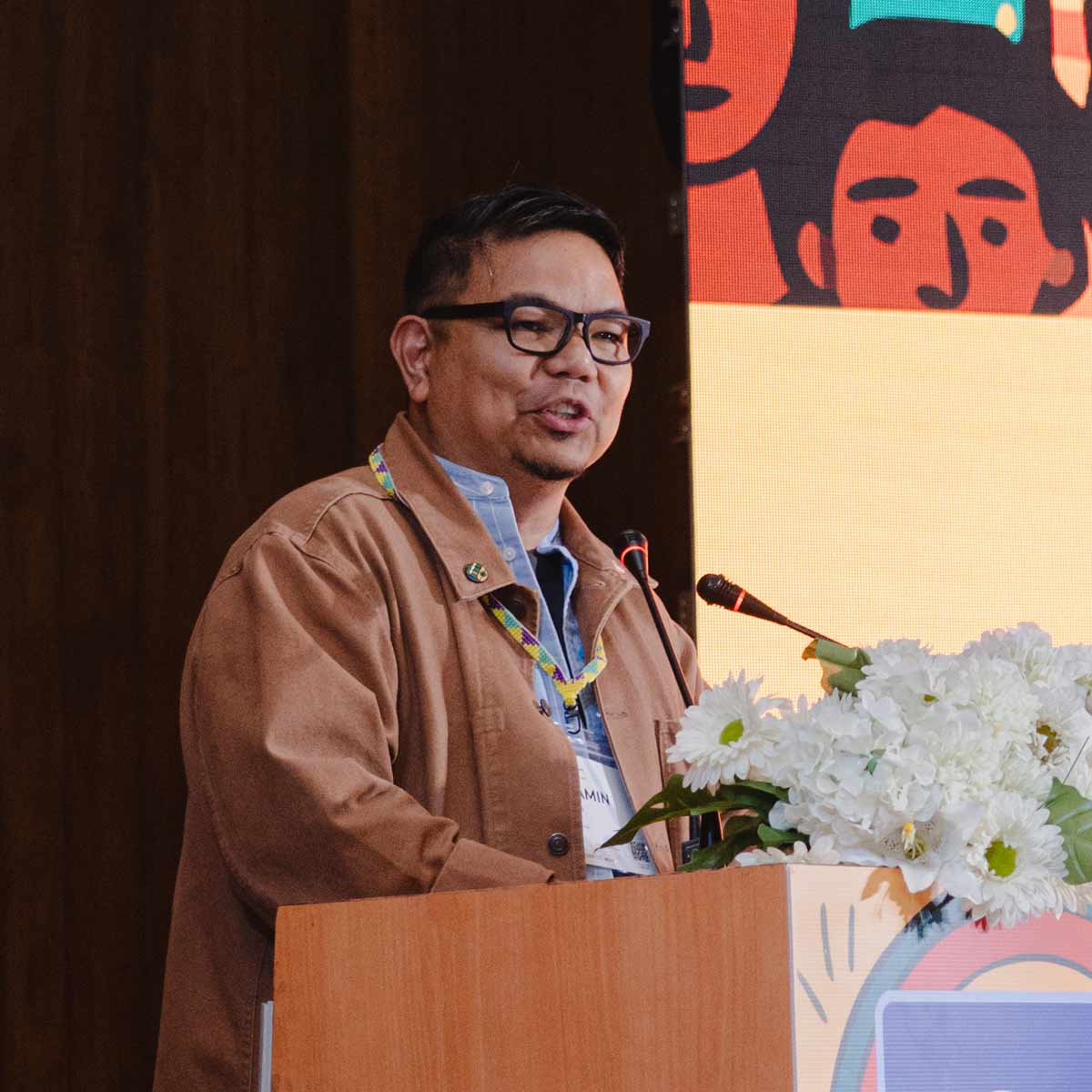
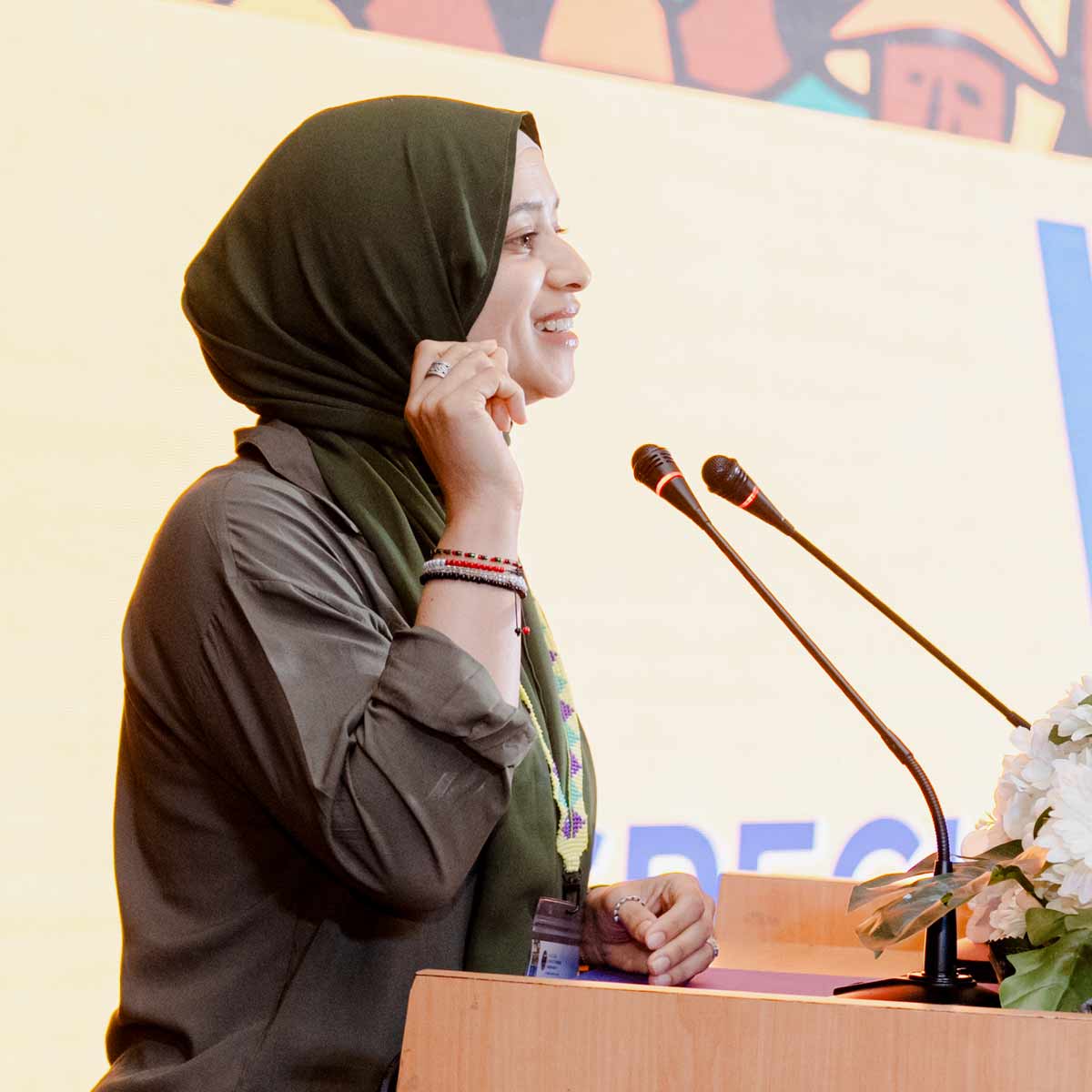
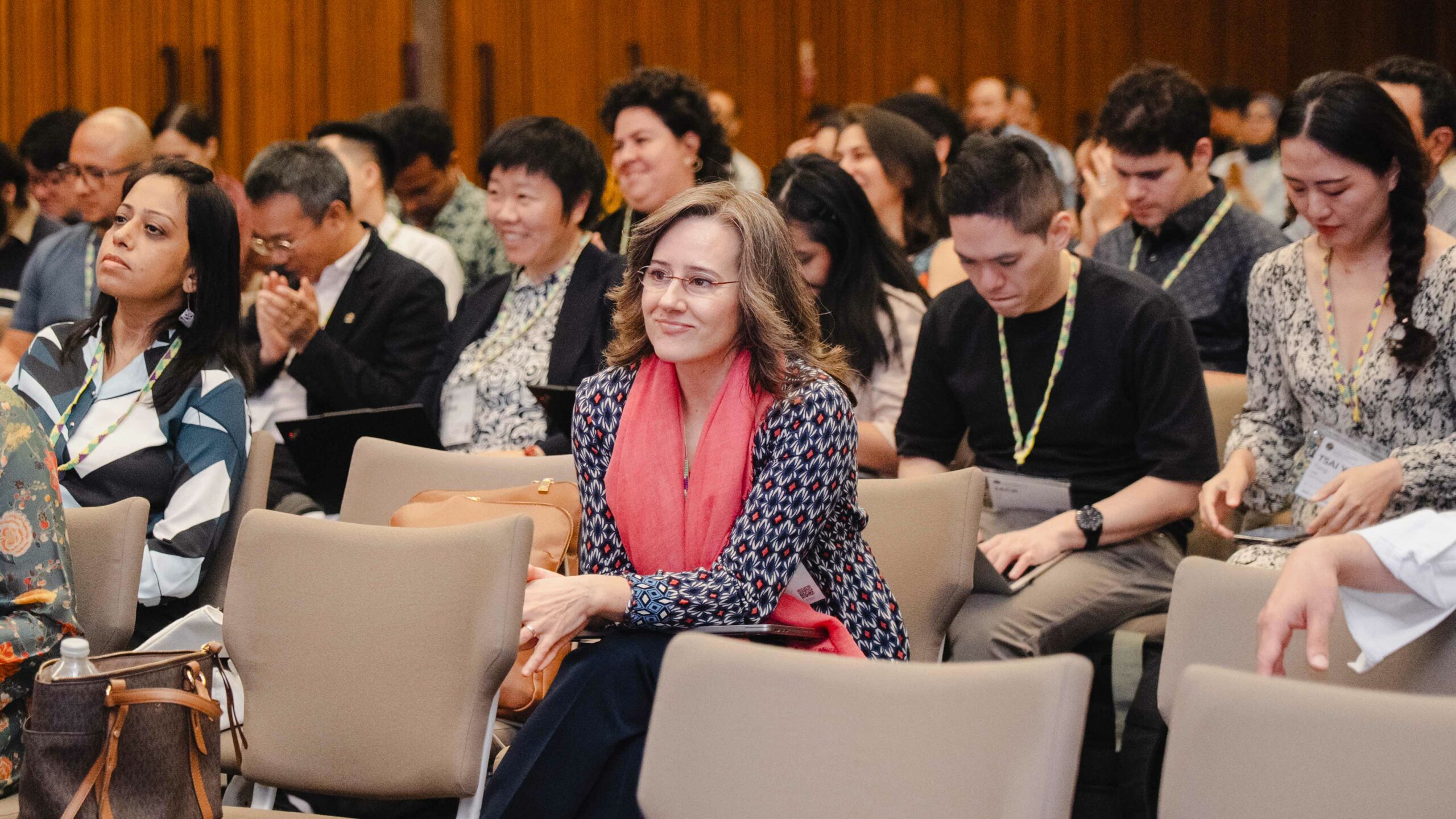
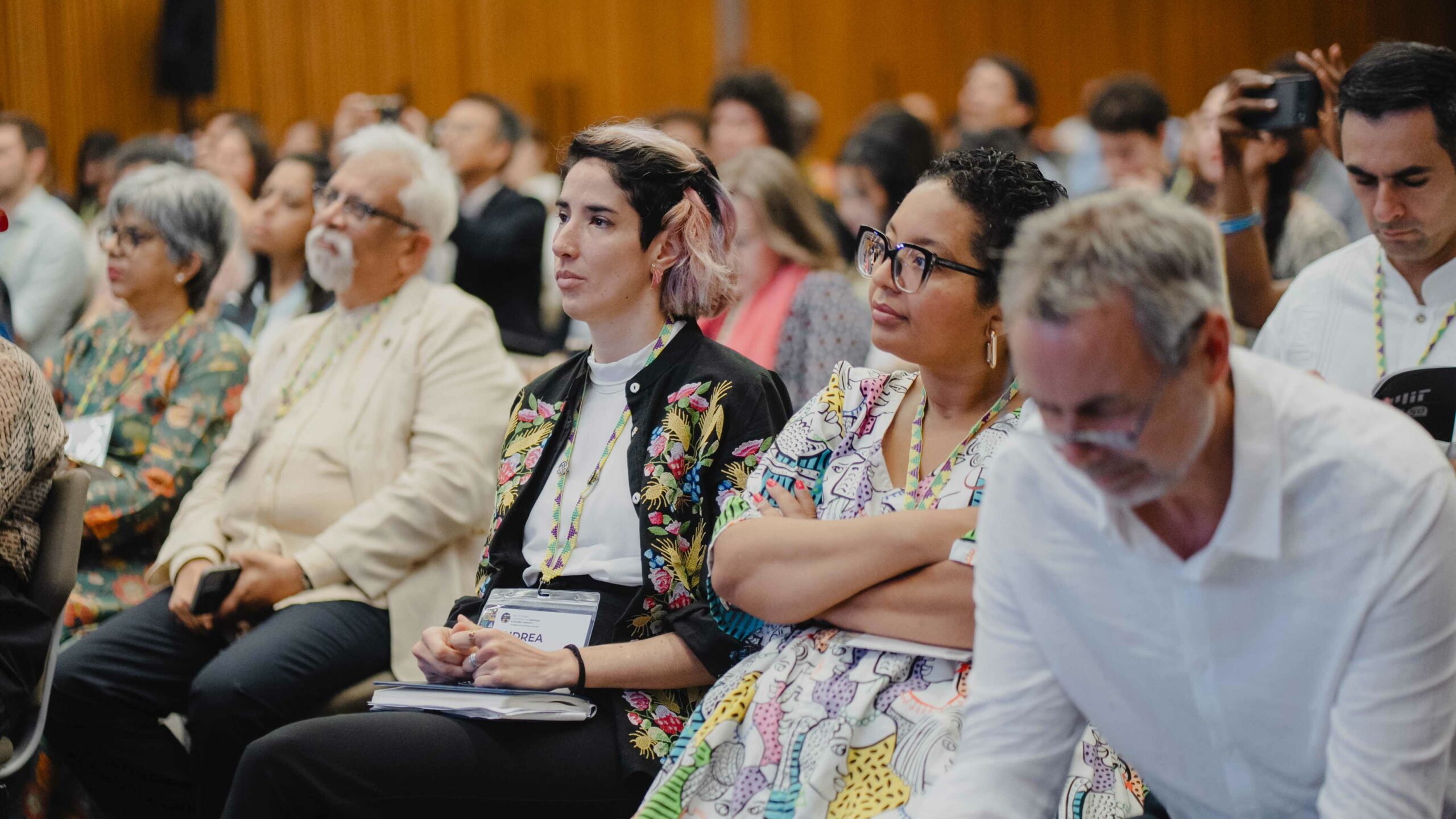
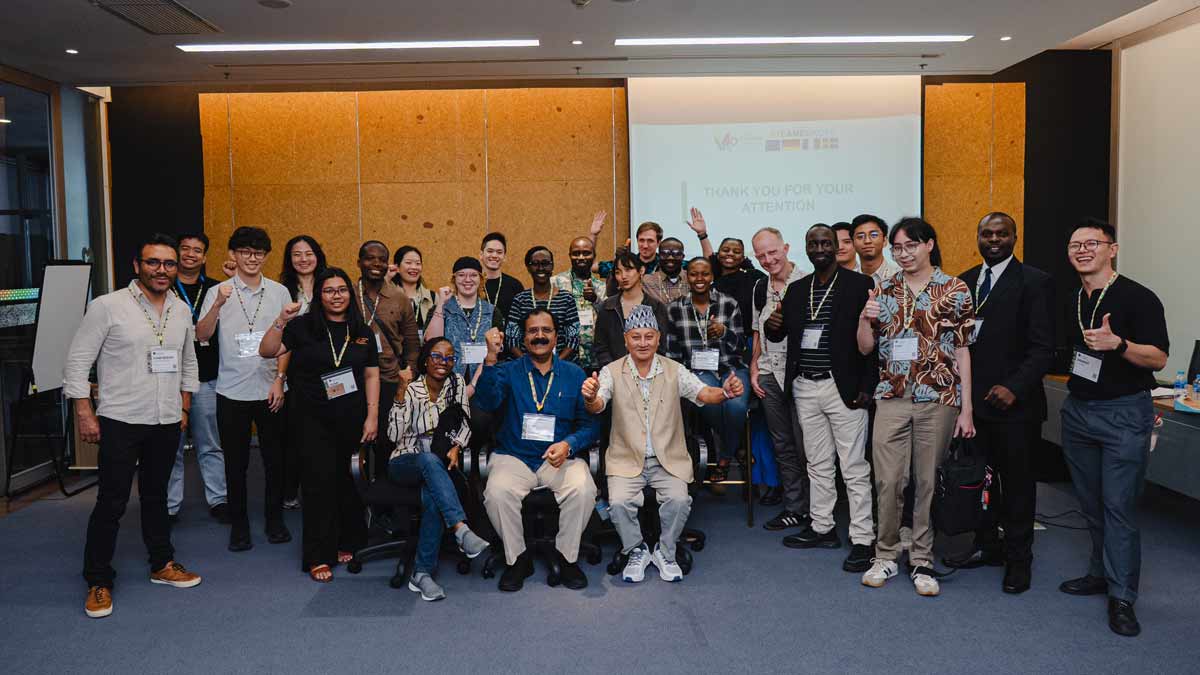
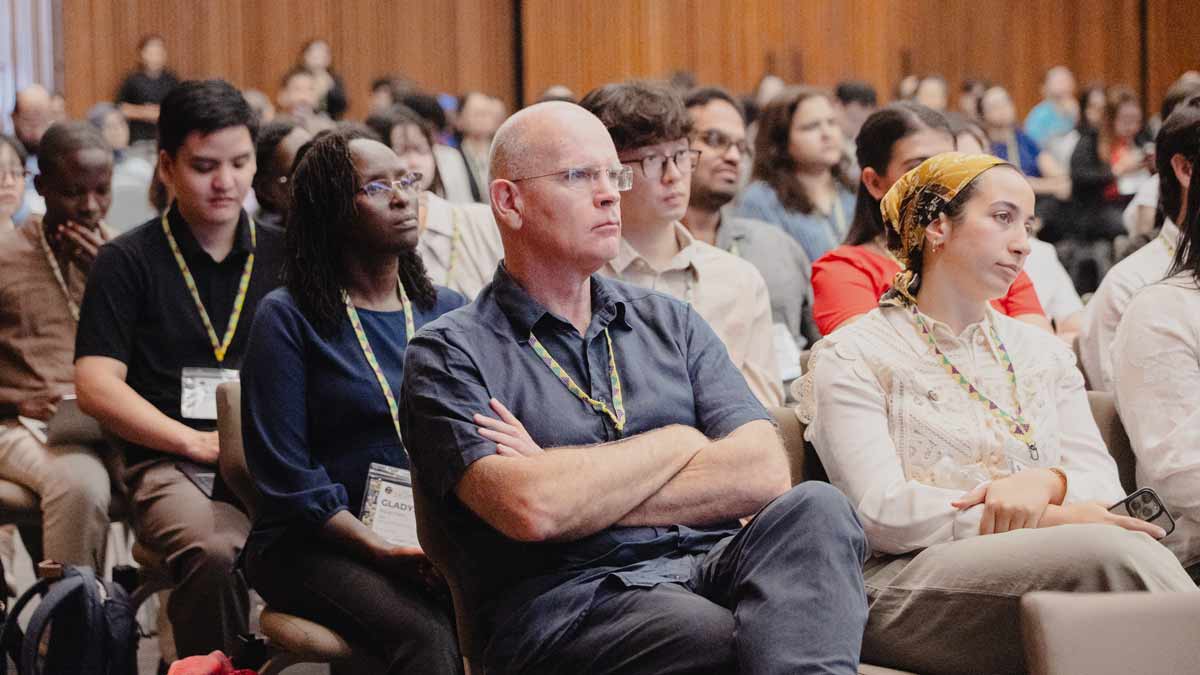
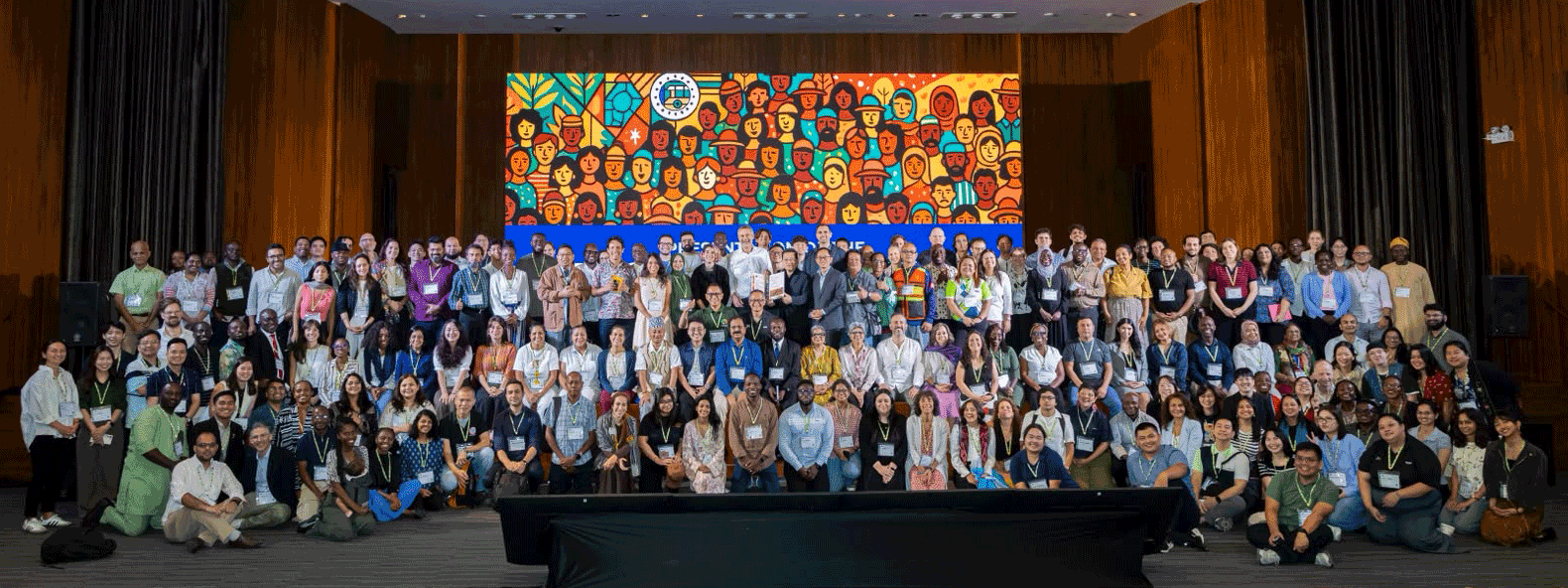
The event united more than 300 transport researchers, public officials, practitioners, civil society representatives, transport workers, trade unions, and operators from over 40 countries across Africa, Asia, Latin America, Europe, and North America. In a truly collaborative setting, participants demonstrated the power of bridging traditional divides to shape practical, grounded solutions for the future of urban transport.
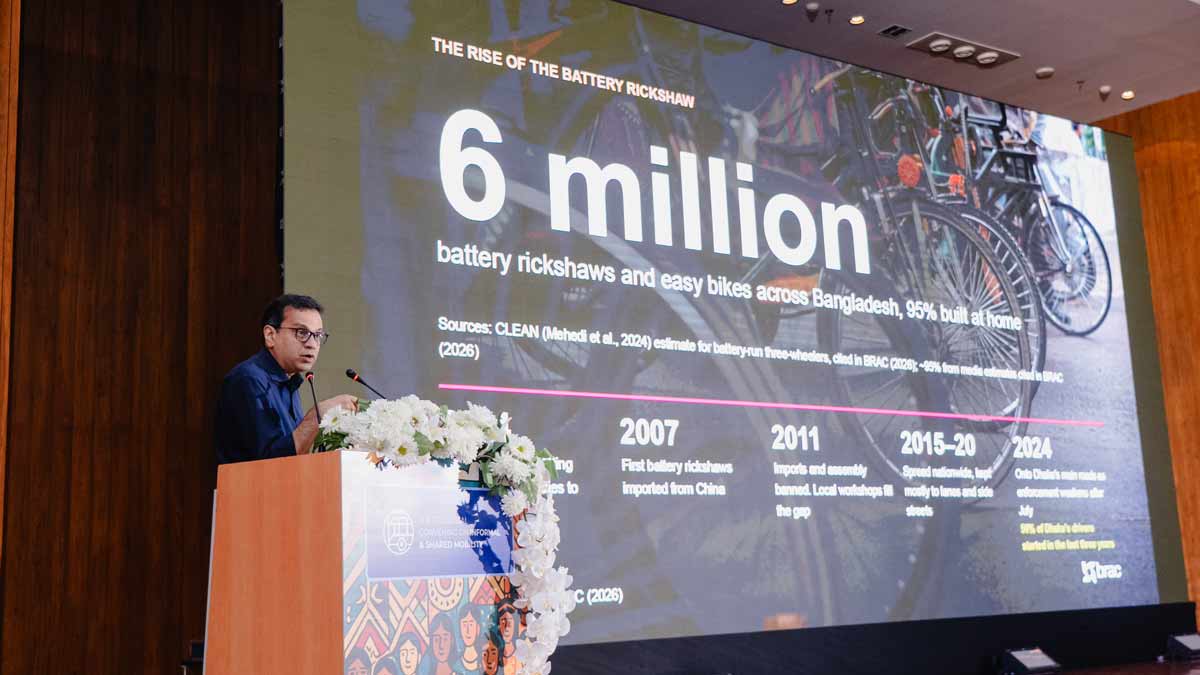
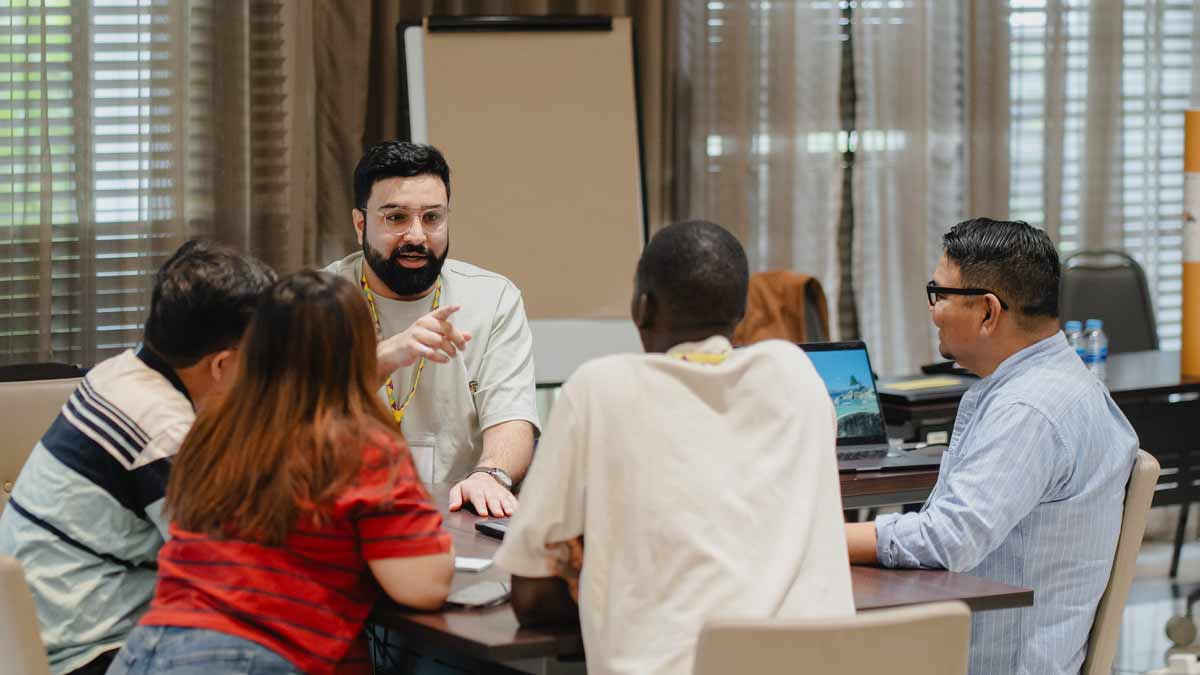
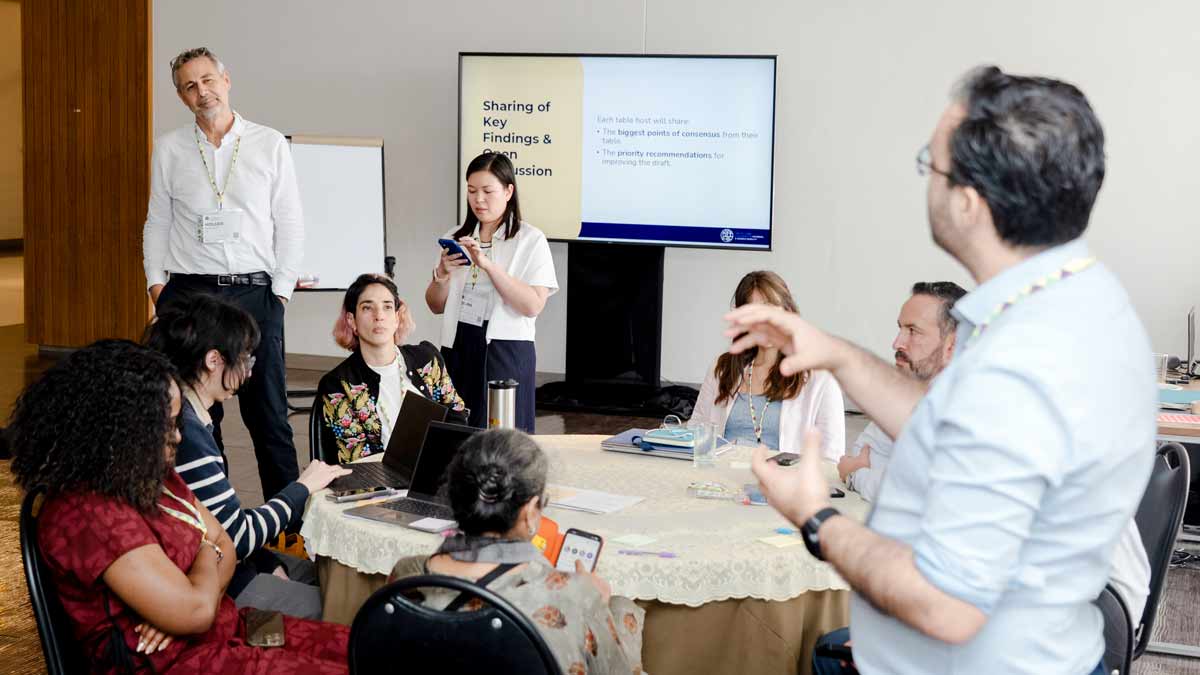
The program spanned more than 40 sessions across diverse formats, with a strong focus on 20 parallel breakout tracks and five interactive workshops alongside keynotes, plenary conversations, site visits, and joint assemblies. Across these sessions, researchers contributed essential empirical evidence on critical issues ranging from fleet electrification and governance to pedestrian accessibility and public health. In return, the academic community gained invaluable perspective by examining their findings in direct dialogue with transport operators, trade unions, and policymakers – anchoring research in lived experience and advancing genuinely co-produced knowledge.
The Role of Informal and Shared Mobility
In many low- and middle-income countries, informal and shared mobility (ISM)—such as minibuses, three-wheelers, and shared taxis—provides the core transport services that keep cities moving. These systems carry passengers and goods where formal public transit is limited or absent, while supporting millions of livelihoods.
A Declaration Finalized On-Site
-
Recognize: Embed informal and shared mobility into legal and planning frameworks to legitimize operators without displacing workers. Promote open data, regulate digital platforms responsibly, and ensure workers and communities are actively involved in planning transport transitions.
-
Finance: Include informal transport in municipal and national public budgets. Mobilize direct investment from development finance institutions, private capital, and philanthropy for infrastructure and fleet improvements, while ensuring fair financing terms for operators.
-
Upgrade: Support fleet renewal and the shift toward zero-emission vehicles as part of broader sector reform. Prioritize shared modes in infrastructure planning and improve safety and service quality in partnership with workers and local communities.
-
Safeguard: Ensure fair pay, occupational safety, and social protection aligned with ILO Recommendation 204. Address barriers to women's participation and safety, and invest in skills training, worker leadership, and mutual solidarity.
Connecting Research, Living Labs, and VREF Programs
Applied research and local partnerships are central to this work, notably through VREFs Internaional Research Program PRISM and its Living Labs model. In Bangkok, local host and Living Lab CUTI served as an essential partner in linking academic research directly with municipal decision-makers and operational realities on the ground.
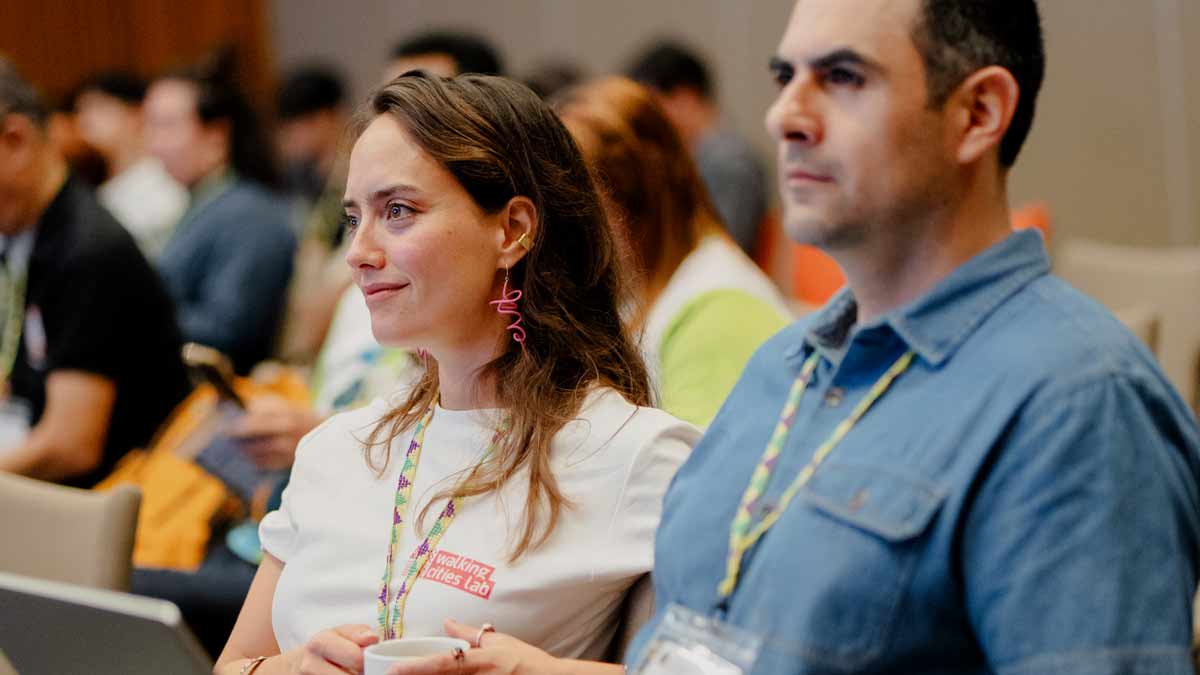
GLOCON also provided an important opportunity to bring together researchers across VREF’s broader research community. Scholars from PRISM and the Informal and Shared Mobility in Low- and Middle Income Countries (ISM) program met on-site with colleagues from the Walking as a Mode of Transport program and the Mobility and Access in African Cities (MAC) program, alongside members of VREF’s NextGen Scholars network. Because informal transport is closely linked with pedestrian access,street safety, and intermodal connectivity in growing cities, this cross-program exchange offered valuable perspective on how different aspects of equitable urban access interact in practice.
Next Steps and Bogotá 2028
The Bangkok Declaration calls on national governments, international agencies, financial institutions, and researchers to carry these commitments into ongoing policy work. Specific next steps include connecting the declaration to the UN Decade of Sustainable Transport, incorporating informal transport into national climate plans (NDCs) and sustainable urban mobility plans (SUMPs), and advancing sector research and professional training.
The 1st Global Convening on Informal and Shared Mobility was presented by VREF alongside the Global Network for Popular Transportation (GNPT), the Chulalongkorn University Transportation Institute (CUTI), the Shared-Use Mobility Center (SUMC), and the WRI Ross Center for Sustainable Cities. GLOCON is now structured as an ongoing biennial platform that will reconvene in Bogotá, Colombia, in 2028. With Latin America's long history of transit and active mobility initiatives, PRISM's Living Lab in Bogotá will play a key anchoring role as preparations move forward.
Acknowledgements
VREF extends its warmest thanks to every speaker, delegate, partner organization, community representative, and volunteer who traveled from near and far to make GLOCON 2026 an extraordinary success. Special gratitude to Agence Française de Développement, Clean Mobility Collective, Asian Development Bank (ADB), C40 Cities, Global Environment Facility, Kuehne Climate Center, Deutsche Gesellschaft für Internationale Zusammenarbeit (GIZ) GmbH, and to our hosts Chulalongkorn University. The collective journey toward equitable, dignified, and sustainable mobility is well underway!