
March 4, 2026
|
Program
Project number
EP-2019-MAC-07
Project leader
Patrick Hayombe (first half of project) Fredrick Owino (second half of project)
Affiliation
Jaramogi Oginga Odinga University of Science and Technology, Kenya
Contact
Project Period
2020 (1 year)
Status
Project Outcomes & Results
Scientific Publications
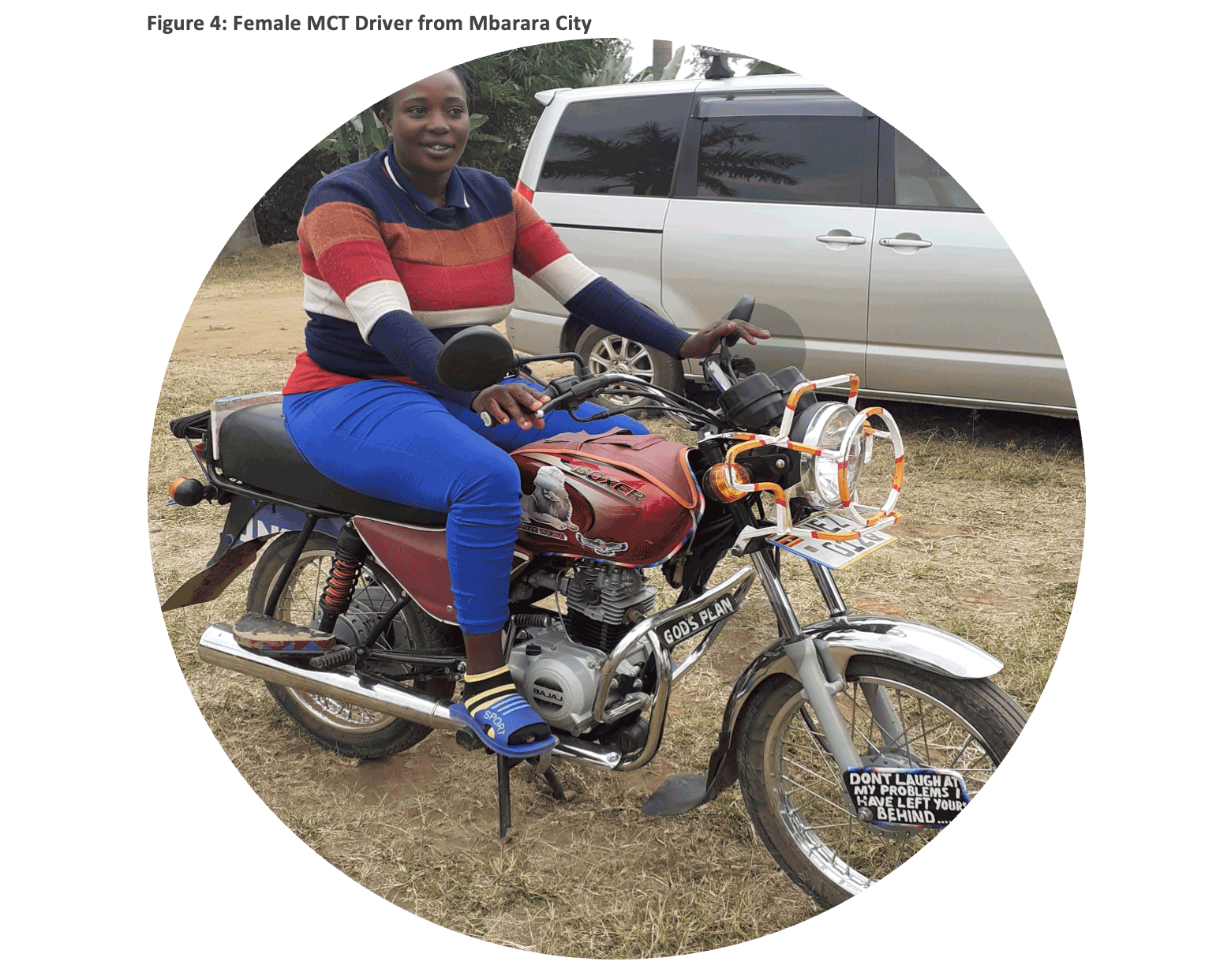
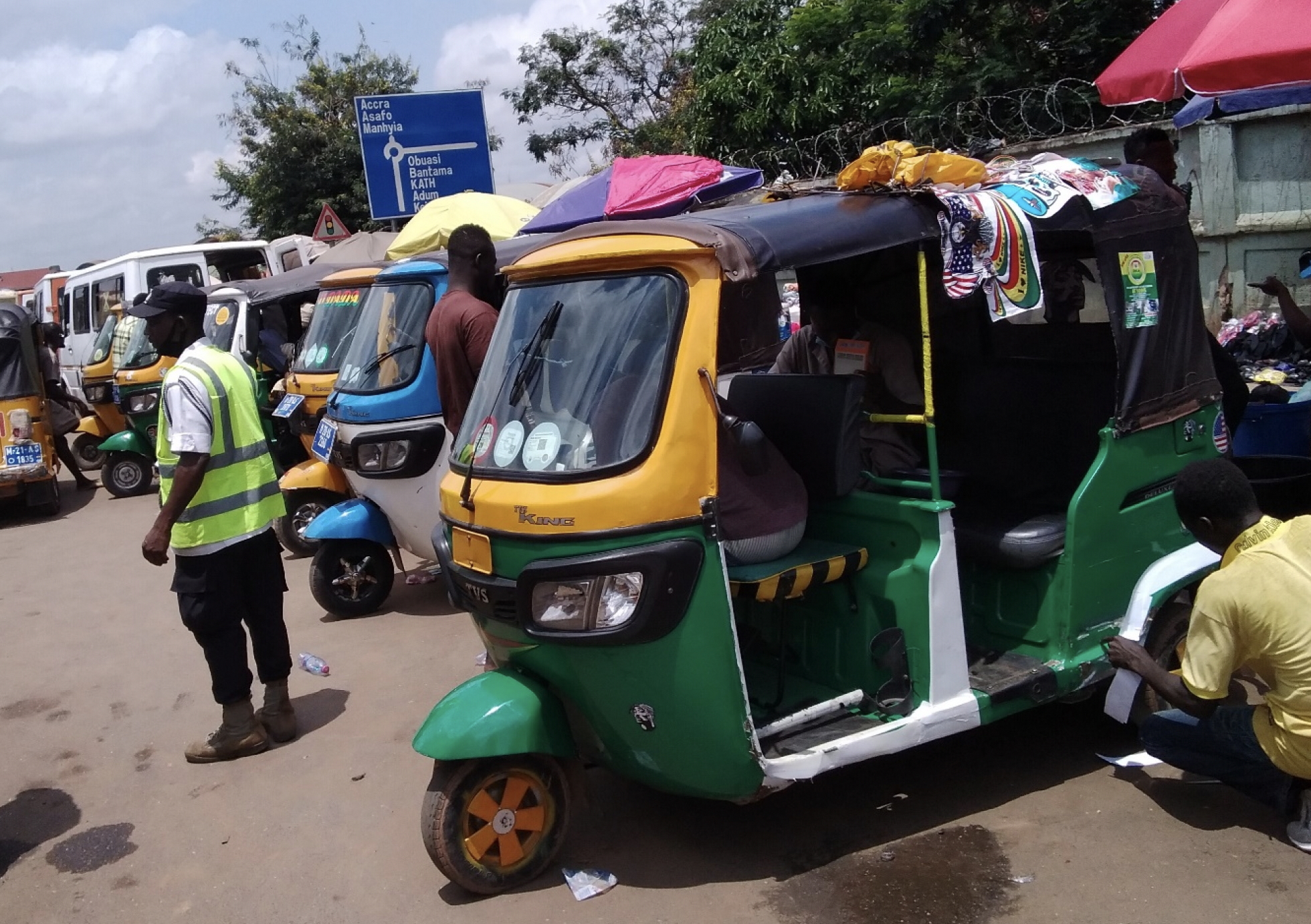
CHETTO, R., PETERS, K., JENKINS, J., NTRAMAH, S., MUGISHA, M., OPIYO, P., OWINO, F., JOHNSON, T., SANTOS, R., & VERHEIJ, R. (forthcoming). Emerging Business Models and Service Options for Motorcycle Taxis: Insights from 10 Cities in Sub-Saharan Africa. Transportation Research Procedia. Vol 89, pp.327-337.
OWINO, F., PETERS, K., JENKINS, J., OPIYO, P., CHETTO, R., NTRAMAH, S., JOHNSON, T., SANTOS, R., MUGISHA, M., CHETTO, R. & HAYOMBE, P. (2024). The urban motorcycle taxi sector in Sub-Saharan Africa: needs, practices and equity issues. Urban, Planning and Transport Research, 12(1).
NTRAMAH, S., PETERS, K. JENKINS, J., HAYOMBE, P., OWINO, F., OPIYO, P. JOHNSON, T., SANTOS, R., MUGISHA, M. & CHETTO, R. 2023. Safety, health and environmental impacts of commercial motorcycles in Sub-Saharan African cities. Urban, Planning and Transport Research. Vol. 11, Issue 1.
Final reports
Policy briefs & Briefing Notes
Aggregated-brief-211019.pdf
Media & Presentations
Click to read more about
Exploring the Potential of Minibus Electrification in Three African Cities
Informal and Shared Mobility
Comparative Analysis of The E-Hailing Mobility Services In Selected Cities In West, East And Southern Africa.
Informal and Shared Mobility
Comparative Analysis of The E-Hailing Mobility Services In Selected Cities In West, East And Southern Africa.
Informal and Shared Mobility in Low and Middle Income Countries
Partnership for Research on Informal and Shared Mobility (PRISM)
Informal and Shared Mobility in Low and Middle Income Countries
Towards comparative, historically informed research on contemporary African urban transport issues: A proposal for a research network
Mobility and Access in African Cities
The capabilities approach as a needs assessment framework for vulnerable non-motorised transport users in African Cities
Mobility and Access in African Cities