Building Capacity for Just Transitions: New Training Materials to Support Labour Equity in African Transport

To ensure African transport reforms are socially equitable, a new initiative is developing practical toolkits to help cities assess the potential impact of change on informal economy workers, and integrate the realities of their livelihoods into major transport reform and infrastructure projects. This project — a collaboration between GLI, ITF, and VREF, in partnership with C40 Cities — aims to align green infrastructure goals with the livelihoods of the transport workforce.
Public transport—both formal and informal—is the backbone of urban life for millions across Africa. It sustains livelihoods, enables economic activity, and plays a critical role in reducing transport-related emissions. Yet the workers who keep these systems moving are too often excluded from transport reform and planning processes. To address this gap, the Global Labour Institute (GLI), the International Transport Workers’ Federation (ITF) and the Volvo Research and Educational Foundations (VREF), have launched a project to strengthen the application of Labour Impact Assessments( LIA) as a core tool in public transport reform and planning.
The initiative forms part of the VREF’s research programme ‘Informal and Shared Mobility in Low- and Middle-Income Countries’ and builds on more than a decade of collaboration between GLI and the ITF on informal transport. This form of employment dominates urban passenger services across much of the Global South with millions of workers, often in precarious and unsafe conditions.
While transport reforms—such as Bus Rapid Transit (BRT) systems and electrification—are essential to tackling congestion, inefficiency, and climate change, they can have serious consequences for employment and livelihoods if labour impacts are not properly understood and addressed. Since 2010, GLI and the ITF have documented working conditions and livelihoods in informal transport. Recognising the urgent need to assess the employment impacts of major transport reforms, GLI – working with local trade unions and academic partners - conducted labour impact assessments in several African countries.
In 2025, this work was consolidated in a research publication: Understanding Informal Transport in Africa: Labour Impact Assessments as Tools to Improve Workers’ Conditions. The report documented participatory research methods, explored the potential of LIAs to improve workers’ conditions, provided an in-depth conceptual framework to address policy and implementation challenges, and set out recommendations for strengthening and scaling the methodology. Findings were presented at a VREF Research Forum in February 2025 and at VREF’s Global Summit in May 2025.
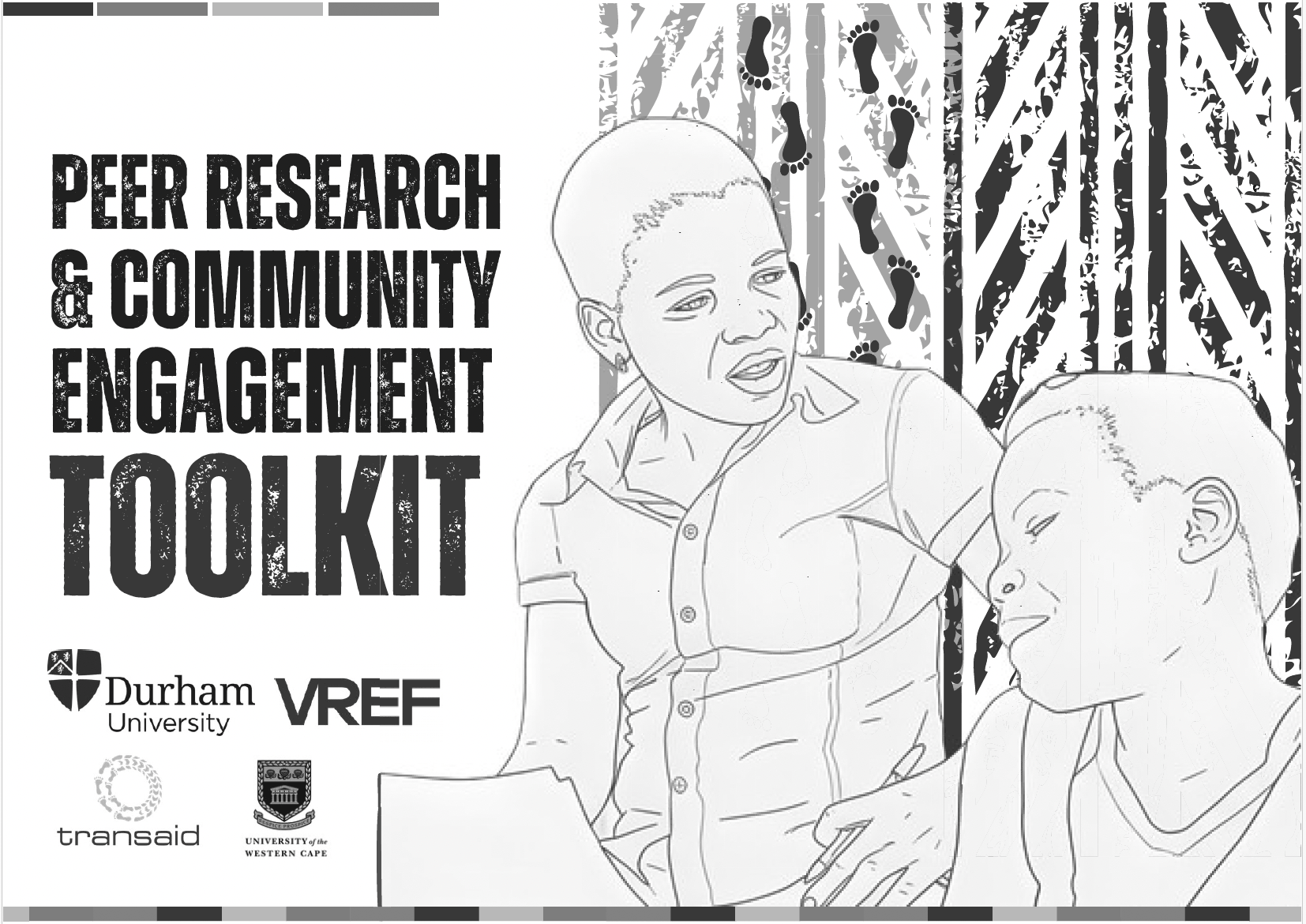
Building on these recommendations, partners have identified an opportunity to advance the work by developing training materials and programmes on LIAs to build the capacity of city authorities, support more collaborative relationships between informal transport workers and governments and enable the systematic integration of LIAs into major transport reforms and infrastructure projects, including electrification. These resources will include practical, accessible, modular training materials featuring case studies, templates and guidance, adaptable to local contexts and priorities. The materials will be developed and piloted through workshops and events.
To strengthen the impact, GLI, ITF and VREF have partnered with C40 cities, a global network of mayors committed to climate action, to link this work to a project supporting the electrification of informal public transport in selected African cities. Through C40’s collaboration with the Transformative Urban Mobility Initiative (TUMI), the project will support cities preparing for the electrification of paratransit from the earliest stages of reform planning. TUMI, in Partnership with 20+ organisations, has helped to launch the Hamburg Charter for Inclusive and Just Mobility 2 years ago, which also includes aspects on popular transport integration (principle 6) and fair and dignified jobs and workers’ rights (principle 3). The initiative also provides a broader opportunity to integrate labour considerations into wider reform processes.
In February 2026, a Study Tour on Paratransit Electrification will take place in Nairobi, organised by C40 cities in collaboration with the United Nations Environment Programme (UNEP). The tour will bring together government and transport authority officials from Nairobi, eThekwini, Johannesburg, Lagos, and Addis Ababa, as well as transport operators to address challenges related to the electrification of paratransit in Africa. It will include a dedicated session to pilot the LIA materials and gather feedback.
Further webinars with various stakeholders will refine the materials and are expected to be launched at the VREF Global Convening on Informal and Shared Mobility in Bangkok in October 2026.
By embedding labour considerations into transport planning, the initiative aims to support reforms that are environmentally sustainable and socially just.
- About Global Labour Institute (GLI Network Ltd): GLI is a not-for profit organisation (company limited by guarantee), formed in 2010, based in Manchester UK. It provides research and education services to national and international trade unions, workers’ associations and other partner organisations. GLI specialises in education and research on the informal economy, along with climate change transition, equalities and political education. GLI has a long-standing partnership with the International Transport workers Federation (ITF), undertaking research and capacity-building with unions and associations representing informal transport workers. gli-manchester.net
- About ITF: The International Transport Workers’ Federation (ITF) is a democratic, affiliate-led global federation of 740 trade unions in 150 countries, representing nearly 16.5 million working men and women in all transport sectors. The ITF passionately campaigns for transport workers’ rights, equality and justice.
- About VREF: The Volvo Research and Educational Foundations (VREF) support the development of new knowledge and solutions for sustainable and equitable urban transport. Under the theme ‘Future Urban Transport (FUT): How to deal with complexity’, VREF funds research, education, and outreach to improve accessibility for all while radically reducing environmental impacts. Through its Informal and Shared Mobility program, VREF works to strengthen equity and sustainability in urban transport by fostering research that builds new knowledge among scholars and the stakeholders who govern, design, or develop informal and shared mobility. As a Swedish tax-exempt entity, VREF is committed to the public good, providing transparent funding for projects that bridge the gap between academic research and real-world implementation for the benefit of practitioners and decision-makers.